Budget by impact first
Guests remember atmosphere, flow, sound quality, and service. Start by ranking those outcomes, then allocate percentages to match what matters most for your event type.
This approach keeps decision-making grounded when tradeoffs appear later in planning.
Model three budget scenarios early
A single budget number rarely survives real event conditions. Build three versions so you can respond quickly without restarting negotiations.
Practical checklist
- Best-case: standard logistics, no overtime, no weather disruption.
- Likely: normal transport variability and routine setup complexity.
- Stretch: delayed access, weather protection, or technical add-ons.
Watch the lines that quietly inflate
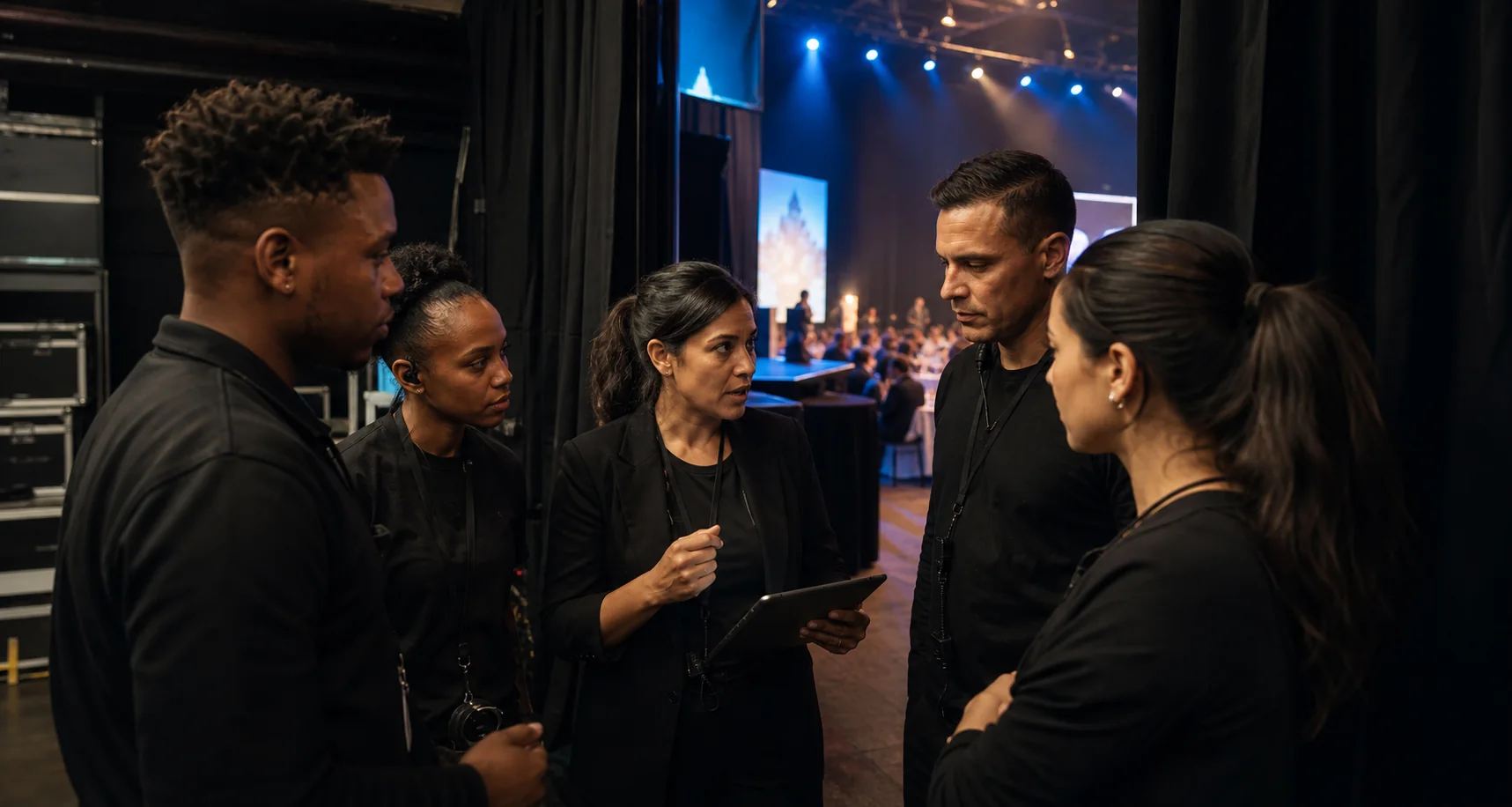
Unexpected costs usually come from operations, not headline fees. Late space access, extra crew time, and last-minute equipment needs can move totals fast.
Ask for itemized quotes and confirm what is included, optional, or billed only when triggered.
Ring-fence contingency until the event closes
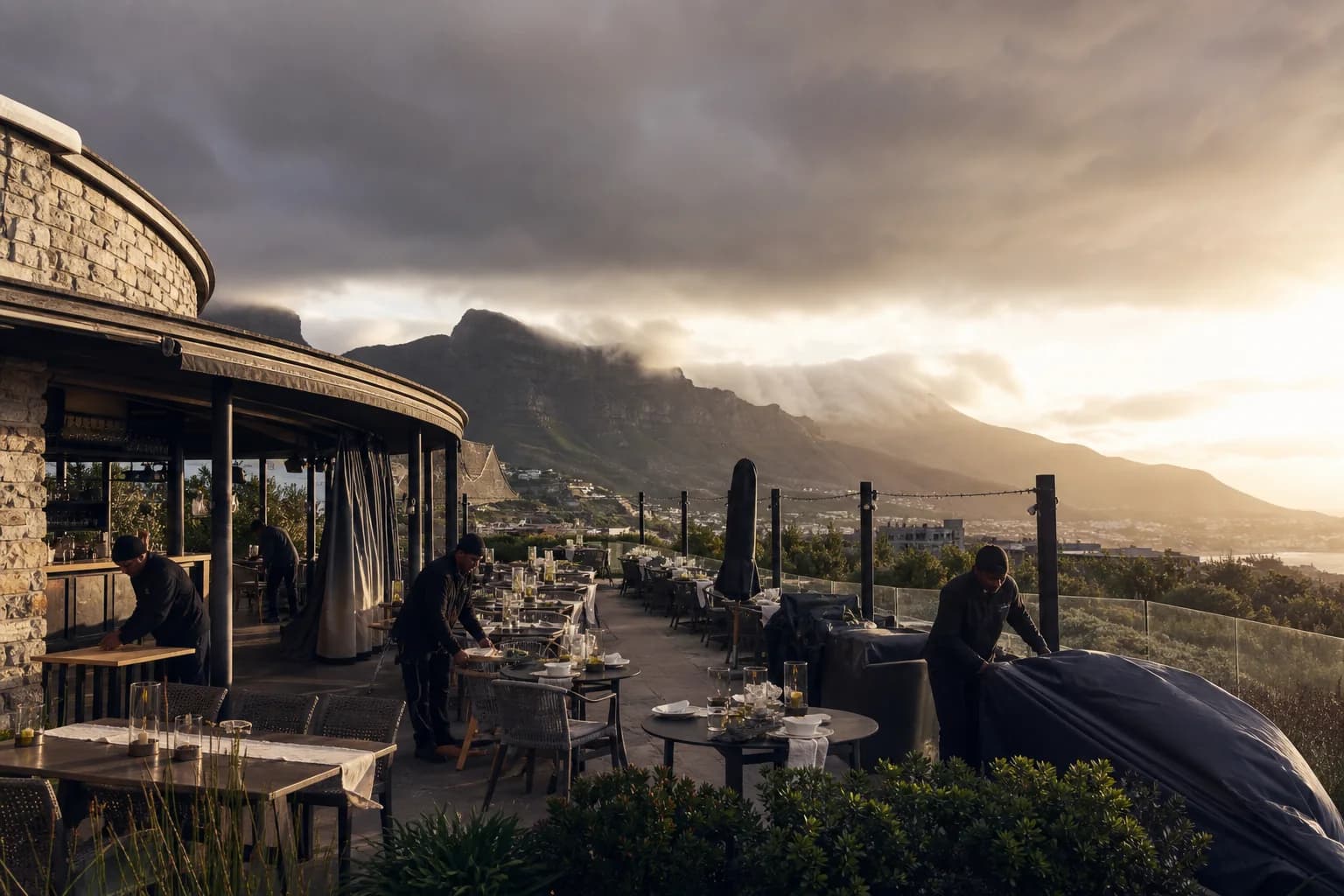
Contingency exists to absorb uncertainty, not to fill wishlist items. Keeping it untouched gives you breathing room when timing or weather shifts.
Practical checklist
- Private events: reserve around 8 to 10 percent.
- Higher complexity events: reserve around 10 to 15 percent.
- Release unused contingency only after supplier closeout.