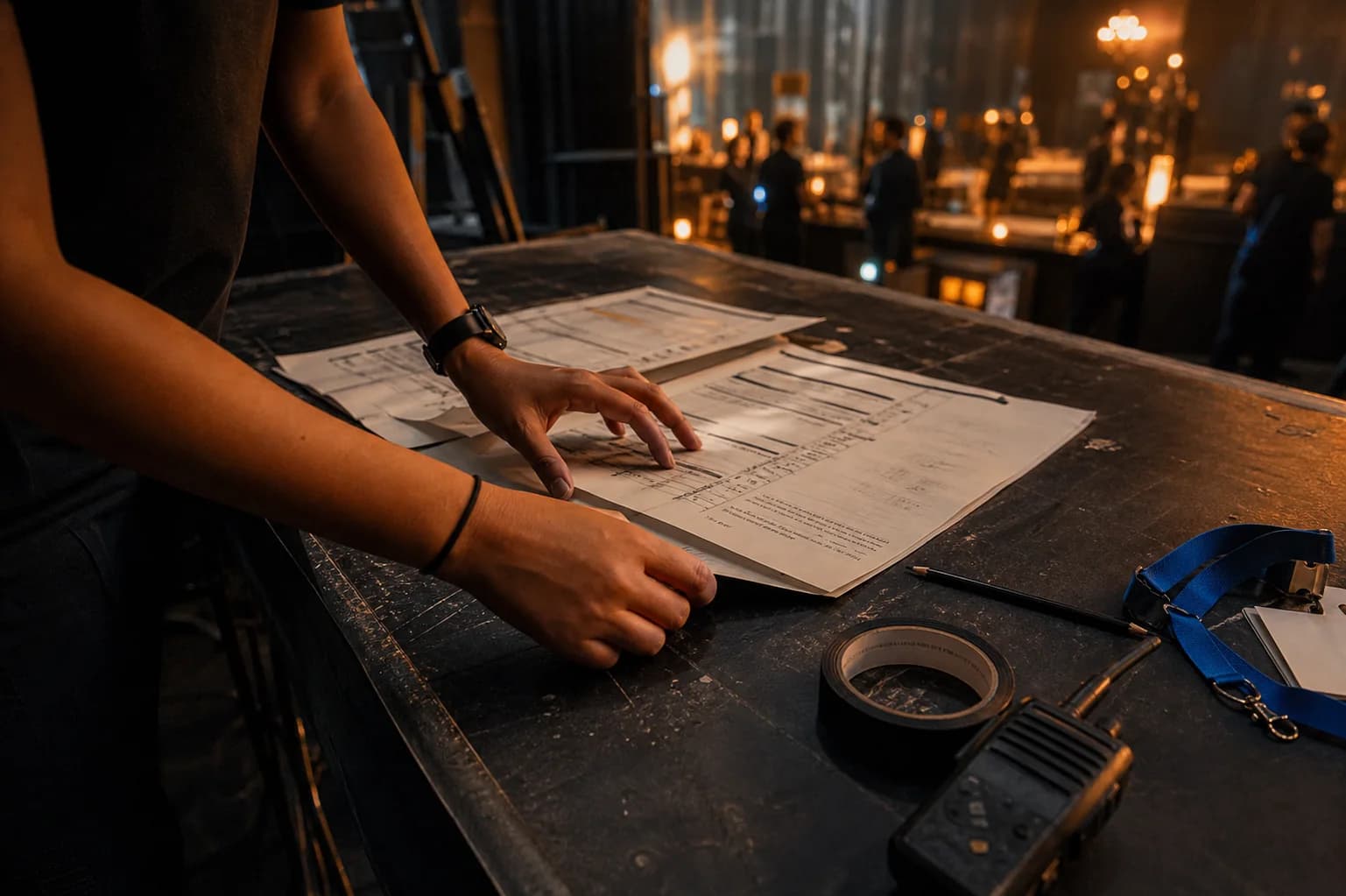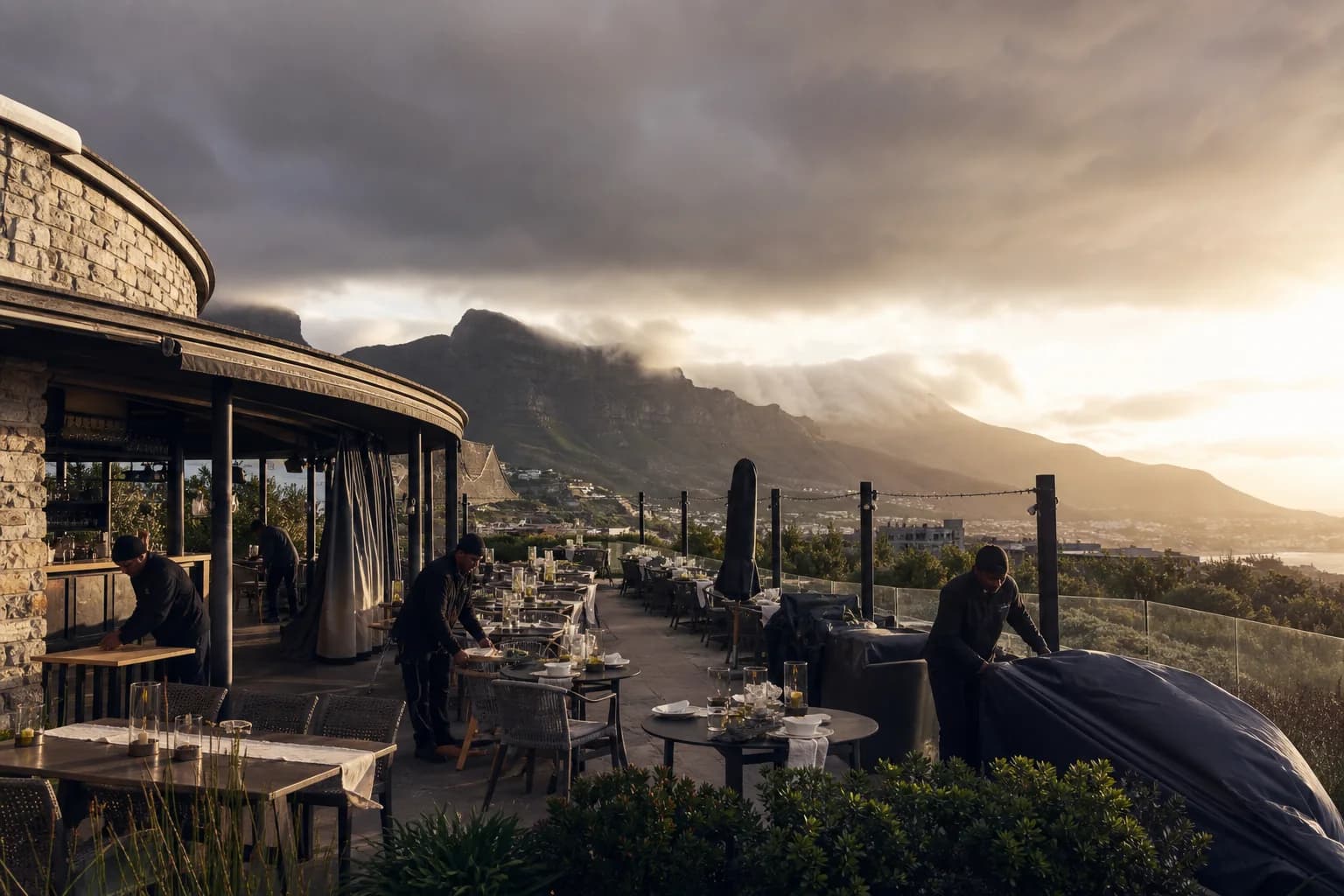
Set decision triggers before the event
Choose measurable triggers for moving from primary to fallback plans, such as wind thresholds, rainfall windows, or temperature levels. Predefined triggers prevent last-minute debates.
Map fallback logistics end to end
A fallback location only works when supplier access, power, and guest routing are all validated. Test the full path instead of assuming the backup space is ready.
Practical checklist
- Backup layout with capacity and visibility checks.
- Alternative load-in and setup sequence.
- Power and lighting fallback requirements.
- Guest communication script for quick redirection.
Align supplier contingencies in writing
Ask each supplier to confirm how weather-triggered changes affect setup time, staffing, and fees. Written alignment reduces confusion when conditions change close to start time.
Budget for resilience, not panic purchases
Include weather resilience items in your baseline planning: cover options, flooring, backup lighting, and additional crew windows. Planned resilience is cheaper than emergency procurement.